
Top Tips I Wish I Knew as a Beginner Crocheter (Part 2)
If a child interested in learning to crochet asked me for advice before getting started, I’d have a LOT to say. I’d do so many things differently than the way I started off as a crocheter. I want to spare your child the frustration, confusion, and other challenges I experienced when starting this hobby 30 years ago.
In my last article I shared my top 5 tips for beginner crocheters. In this article I’m sharing 5 more tips that I wish someone told me. If you haven’t already read the first article in this series, you can find it here.
Let’s get started!
1. Don’t compare your work and progress to others.
As your child starts learning to crochet, they will see a lot of other crocheters showcasing their stitches and projects, either in person or online. They might might be watching YouTube tutorials online or seeing their friends crochet cute stuffed animals. It is very possible that they start to compare their crochet project and progress to others. This is very common, and very problematic.
As human beings, it is natural for us to want to compare ourselves to others. But, what your child needs to keep in mind when they do this is that they don’t necessarily know the experience and background of the person they are comparing themselves to. They don’t have the same knowledge or years of crochet experience and practice behind them. Their stitches won’t look as nice or uniform as they hope and the first few projects they make might not turn out the way they want. I tell this to all my students when they are just starting out. I have 32 years of practice under my belt! Skill comes with years of time and practice.
2. Your child should make crochet projects that they want and are meaningful for them.
Sometimes, your child will want to make a crochet project that makes no sense to you as a parent. Over the years, my family has seen me make some truly interesting things. The highlight was probably a scarf made out of braided chains. Took me so many hours to make, and to say it didn’t exactly look great when it was done is an understatement. I later frogged it, and turned it into duck stuffed animals, so it all turned out okay in the end.
Kids also tend to have different tastes in what they want to crochet than adults. For 90% of my students, it’s stuffed animals, whereas I prefer to make blankets. What your child decides to make isn’t as important as it is that they choose the projects they make, and that they have meaning for them. This also includes making gifts for others.
3. It’s okay to ask for help.
I’ll be the first to admit that learning to crochet isn’t easy, but it’s always worth it. There are also so many ways for your child to learn to crochet. Which at first sounds like a good thing. But really, this “noise” can be very overwhelming for kids who just want to learn to crochet and enjoy this hobby. This can lead to a lot of frustration and be very demotivating.
Please know that it’s okay to ask for help, both you and your child. I love helping my students learn to crochet, and am with them every step of the way. They know they can reach out to me for help with all their crochet-related questions and challenges. More than likely, I’ve been there before myself and can get them back on the right path.
4. Use the recommended yarn and hook size, especially for clothing.
This is the biggest piece of advice I’d tell myself if I was starting off again as a beginner crocheter. Every ball of yarn and most crochet patterns will give you a recommended hook size to use. For written patterns it is typically listed near the top of the patterns. If you are looking for crochet hook size recommendations on yarn labels, look for a picture of a crochet hook with a number either above or below it. For example, 4.0 mm. See the picture below. It might look a bit different, depending on the brand of yarn your child is using.
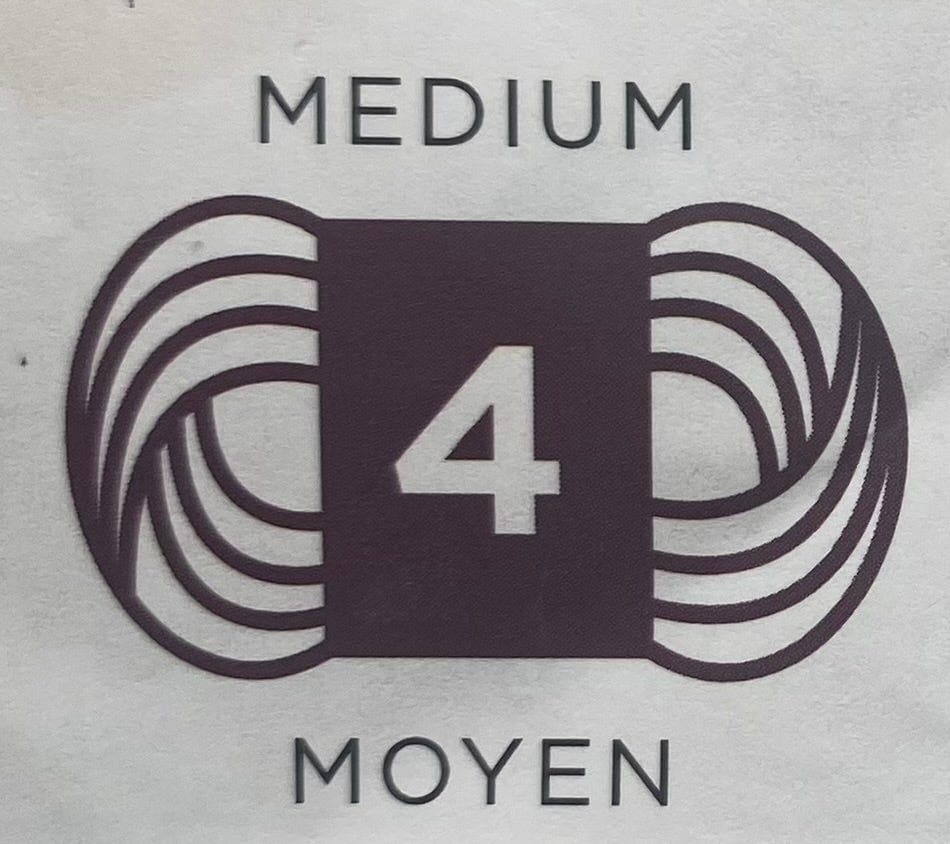
I learned this lesson the hard way, unfortunately. One time I wanted to make a beret from a pattern that I saw on a yarn label. I didn’t follow the recommended hook/yarn part of the pattern, and the results were disastrous. The band around my head ended up being way too tight, while at the same time the rest of the hat was HUGE. I couldn’t even wear it. So, learn from my mistakes and match correctly. I teach this in lessons 1-3 of my online crochet course for kids, Crochet Made Easy! Click the link below this article to learn more.
5. Don’t let your child give up. They’ve got this!
This is a pretty simple point here. Just keep going. Every time your child sits down to crochet is a chance for them to continue learning, practicing, and creating beautiful crochet projects. I have already talked on here about the many benefits of crochet for kids. This is a hobby that can truly change your child’s life. It has for me!
Please let me know if you have any questions about the materials I covered in this post in the comments down below. If your child would like to learn to crochet with me, check out the link to my course Crochet Made Easy! below.

GET YOUR COPY!

If your child is wanting to learn to crochet, but you don't know where to start, this FREE guide is for you.
Skip the YouTube frustration and set your child up for crochet success from the start.
Your child will build a strong crochet foundation, with step-by-step instructions and fun crochet projects.
LEARN MORE!
GET YOUR COPY!
