
Shopping for Crochet Supplies for Your Child? Read This First!
Have you ever taken your child to the yarn store, stood there in the aisles of yarn and other crochet tools and supplies, and felt like you don’t know where to start with picking the right ones? If so, this post is for you. I’m going to prepare you for your trip to the yarn store with your child, so you feel confident in your choices.
If we haven’t met before, I’m Christine, an online crochet teacher for kids ages 8-12. I’ve been crocheting for over 32 years, since I was 10 years old, and I have taught over 250 kids to crochet in the last 3 years.
One of the most common questions I get from parents as an online crochet teacher for kids is “my child wants to learn to crochet. I don’t know what materials they will need. What do you recommend?”
Before we begin, I want you to know you’re not alone. I know it can be overwhelming when walking through the yarn section of the craft store. There are so many choices, and it can be hard to know where to start.
I will be covering the 9 materials that I recommend for those who are learning to crochet. The first 4 of these are required, and the last 5 are more wants, rather than needs.
1. Yarn
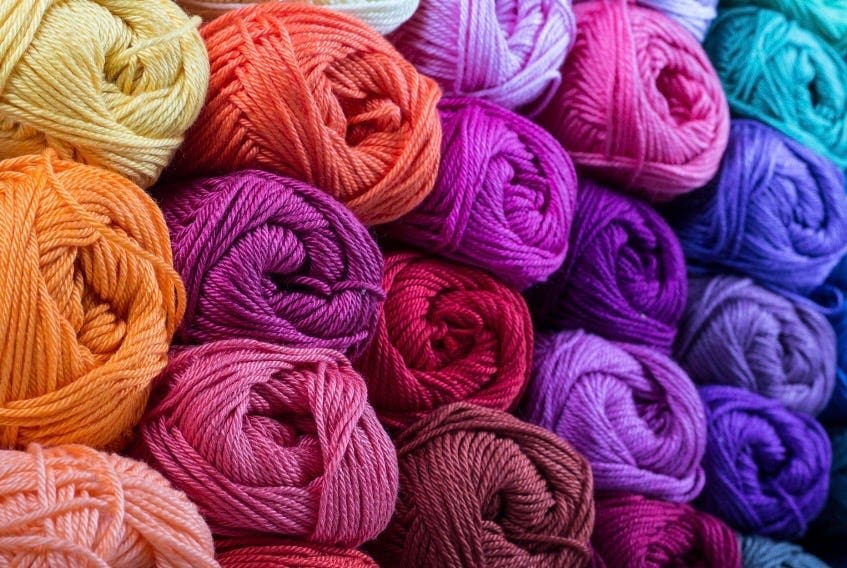
The most important material your child will need when learning to crochet is yarn. Yarn comes in a wide variety of thicknesses and materials. In general, yarn materials fall into 3 different categories: plant-based, animal-based, or synthetic (man-made). Material choice depends on the crochet project you are making. Most crochet patterns include a specific yarn recommendation.
Yarn comes in sizes (we call them weights) ranging from 0-7, with 0 being the thinnest (lace) and 7 the thickest. You will find the yarn size indicated on the yarn label. Typically it looks like a picture of a ball of yarn with a number on it. When selecting a good yarn for your child to learn to crochet, I recommend keeping these tips in mind:
Look for #4 yarn (it’s in the middle, not too thick, not too thin).
Choose a light-coloured yarn. This will make it easier to see the stitches.
Avoid any yarns that split easily or are super fluffy. Both of these make it more challenging to learn to crochet. I don’t own any super fluffy yarn myself, but I know it’s very popular with kids wanting to make stuffed animals.
2. Crochet Hooks
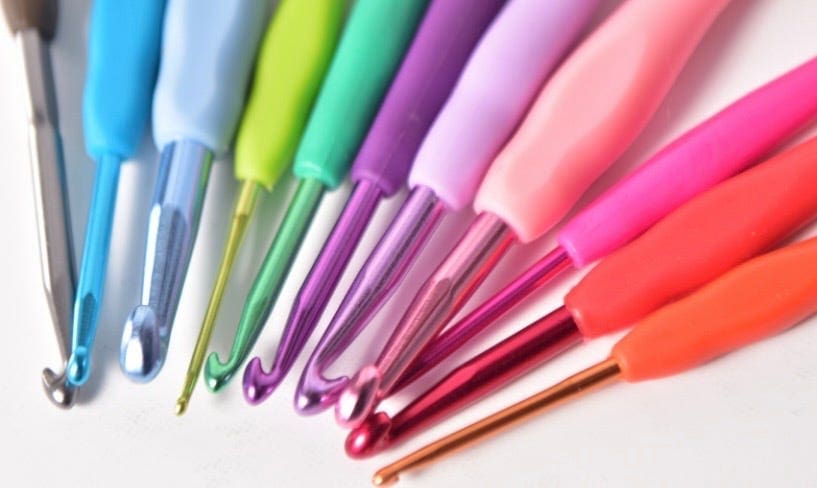
Crochet hooks are another essential material for your child learning to crochet. As with yarn, crochet hooks come in a variety of sizes and materials. The three most common materials for crochet hooks that you will find online and in-store are metal (usually aluminum), plastic, and wood (usually bamboo). Each of these have both advantages and disadvantages. Based on my personal experience, I recommend using metal crochet hooks. They are widely available, affordable, and are very durable. I’ve had most of the crochet hooks in my collection for over 20 years!
When selecting a crochet hook for a crochet project, it is important to match your hook size to the yarn you are using. You will find the recommended hook size on the yarn label your child is using. Look for a picture of a crochet hook on the label. The pattern your child is making should also include a crochet hook size requirement. It is important to follow that requirement to help ensure the final product turns out the way it is intended.
3. Scissors
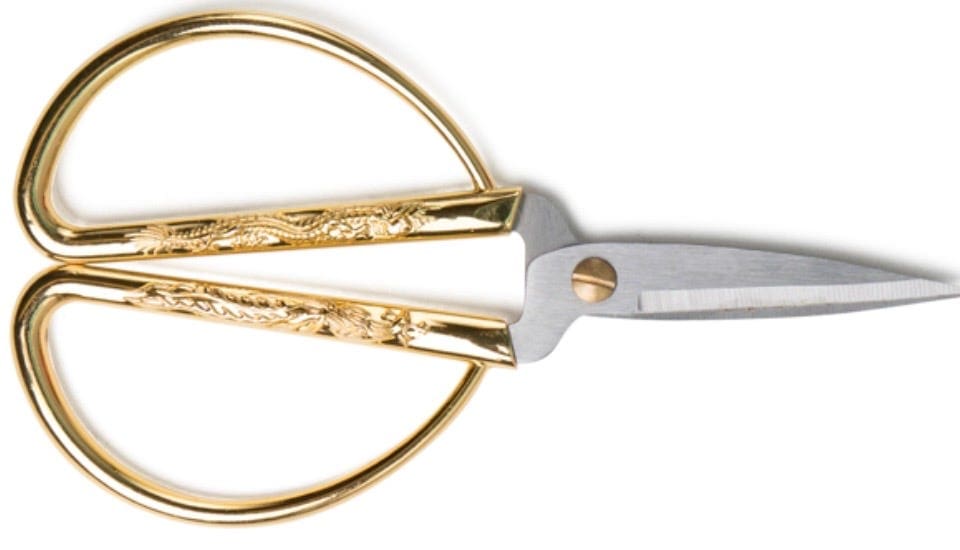
Scissors are needed when finishing off a crochet project. You can use regular kitchen or household scissors, but I recommend using scissors specifically for yarn and fabric. These scissors are very sharp, and I use mine exclusively for my yarn. Keep in mind that cutting paper with sewing or crochet scissors will dull the blade on the scissors. It has to do with the molecular structure of paper. I store my crochet scissors in a small case along with my other crochet and sewing materials.
4. Sewing Needles
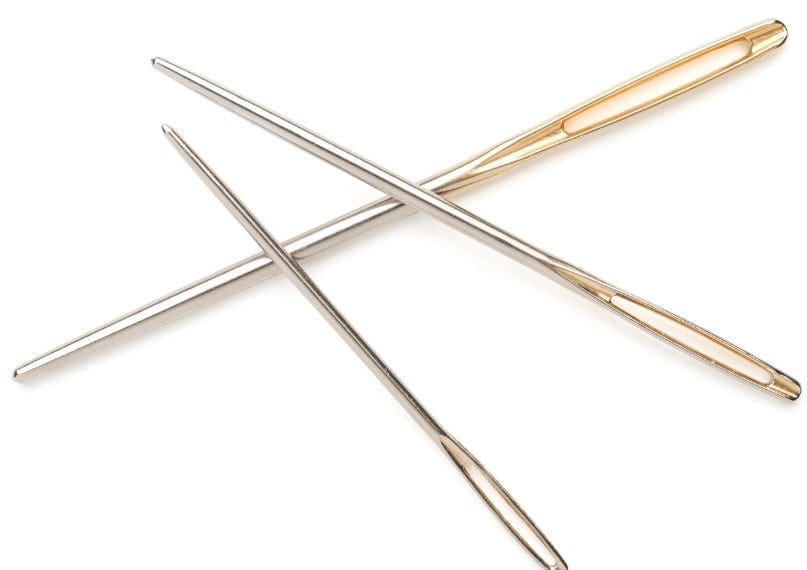
These are used when your child finishes a crochet project. They are commonly used to join parts of a crochet project together, for example when making stuffed animals. I also use sewing needles to hide the ends of my yarn into a few stitches. This prevents the knot at the end of the project from falling apart, which can happen if the stitches start to unravel.
When choosing a sewing needle, choose one with the eye (the hole) that is large enough to fit through it. Also, encourage patience in your child when threading their sewing needles. It can be challenging at times.
These next 5 materials are very helpful for many crochet projects, but there are some alternatives for each of these. I don’t have all of these items, but they are on my wish list!
1. Stitch Markers
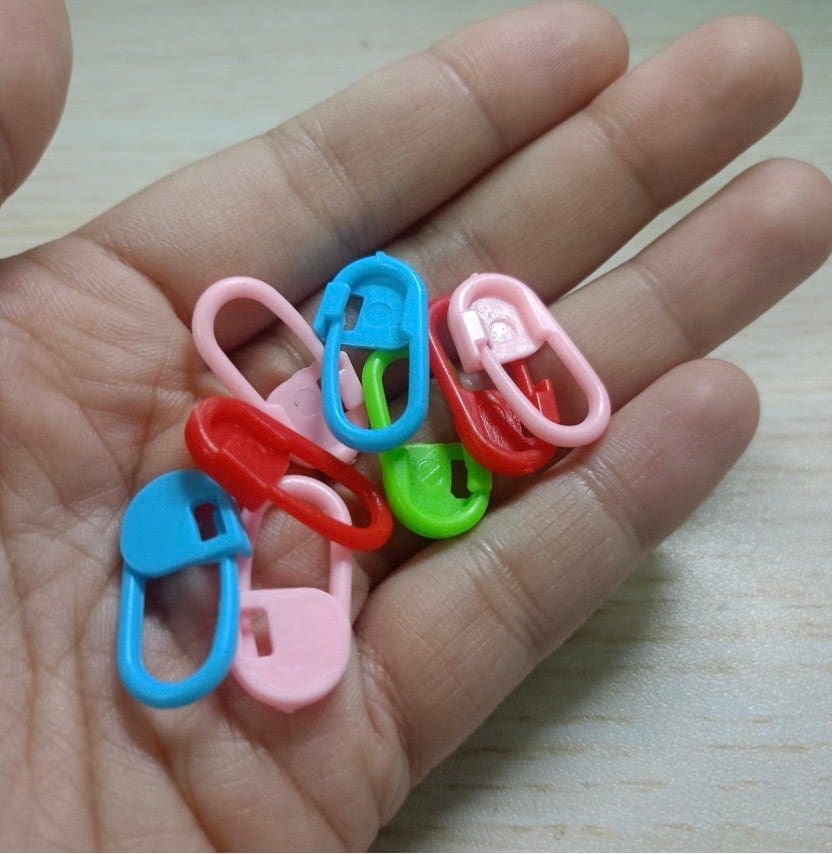
If your child gets little plastic pieces that look like safety pins in a crochet kit, those are stitch markers. Stitch markers are particularly helpful when your child is working on complicated patterns or making stuffed animals or other plushies. I use them when I want to mark the first stitch in a round of a plushie, to tell me when I get back to the start.
If you don’t have access to the plastic stitch markers, you can also use safety pins, or short pieces of yarn in a colour that is different from the colour of their current crochet project. I don’t own any plastic stitch markers, and just use safety pins when I need them.
2. Tape Measure or Ruler
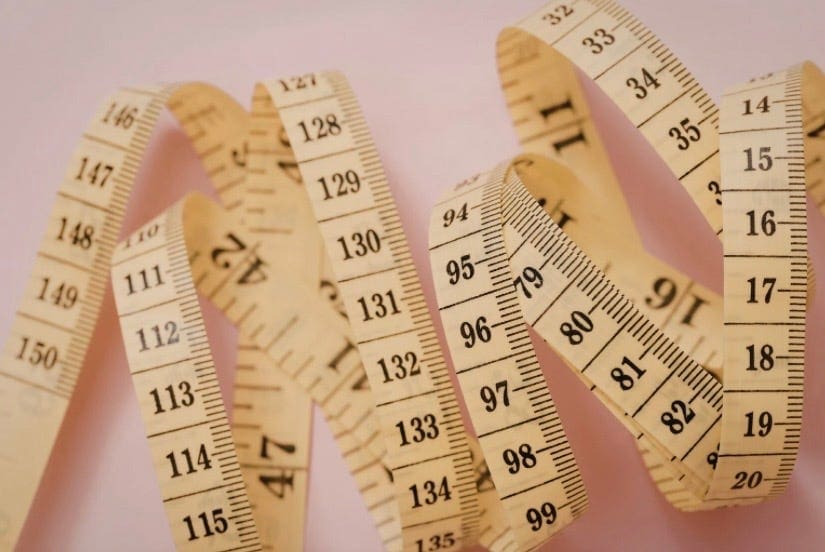
When your child wants to make sure their crochet project is the right size, a ruler or tape measure comes in handy. I use a fabric tape measure often when making my crochet projects. I especially recommend measuring your work when making projects that your child wants to be a specific size. I’m working on a moss stitch blanket now, and measure the progress I’m making every day.
3. Crochet Supplies Storage
To help your child be a more efficient crocheter, organization is key. A great way to keep their crochet materials organized is to get them a crochet hook or crochet supplies case or organizer. Sometimes you can get these items included in crochet kits. I have two different cases that I use to store my crochet tools. I was gifted a case from my mom a few years ago to store our family crochet hook collection. As you can imagine, I have a rather large selection. The case includes individual slots for each of my crochet hooks. When I’m organized, I also arrange them by size to make finding the one I need easier.
Your child can also store their other crochet supplies (stitch markers, sewing needles, scissors, etc) in a small plastic container. I keep a selection of different sized sewing needles, my sewing scissors, and safety pins in a small plastic case. I take that thing everywhere I bring my current crochet project, just in case I need them.
4. Yarn Bowl
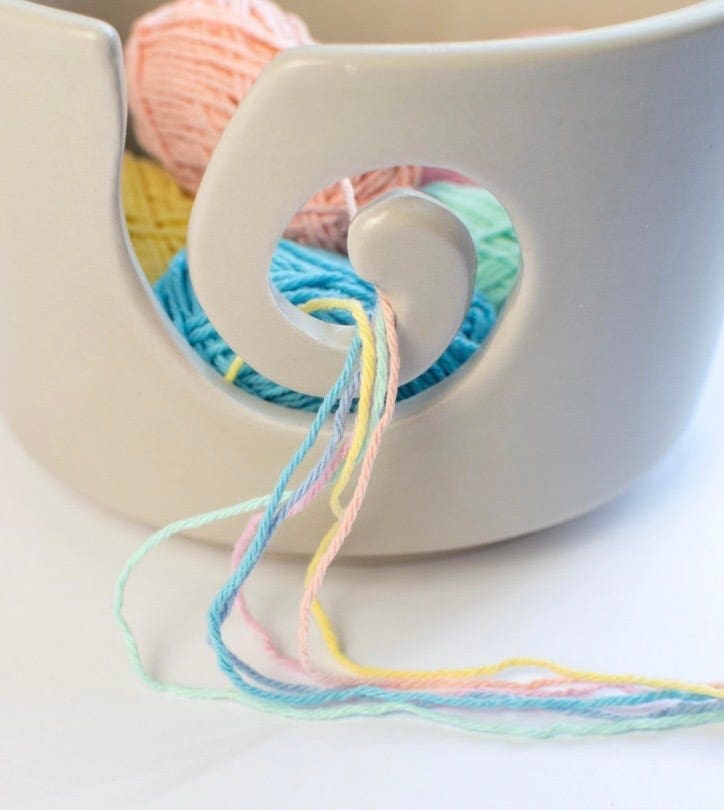
When working with multiple colours, one of the challenges your child will come upon is the yarn getting tangled up. It happens to me every time I make a crochet project. One fun way to keep balls of yarn organized is to use a yarn bowl. These are bowls that have holes in them on the sides for yarn to go through. An alternative to this is to take a large freezer bag, poke holes in either side of it, and feed the end of the ball(s) of yarn your child is using through the holes before they start their crochet project.
5. Sewing Pins
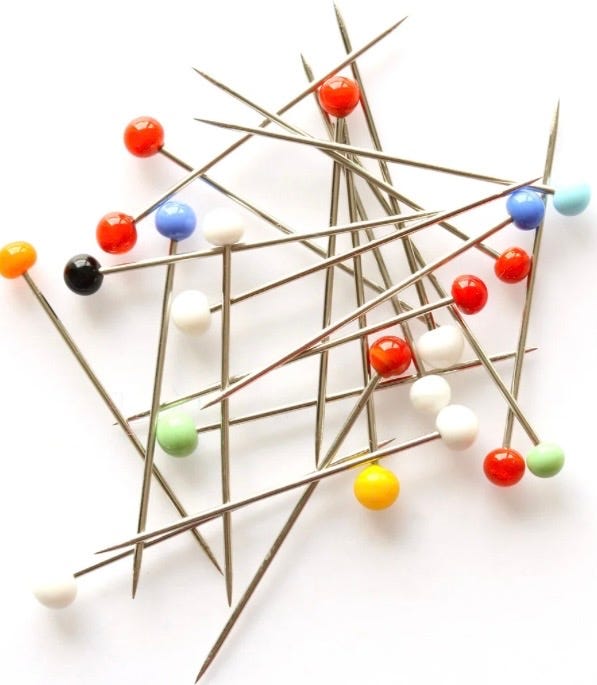
Sewing pins are very helpful when your child wants to crochet stuffed animals. I use these to decide on the location of facial features for my plushies, or to attach extra pieces to the body before I sew them in place. They’re very sharp, so your child should be careful when using them.
Please let me know if you have any questions about the materials I covered in this post in the comments below. Stick around, as I new posts are released every other Tuesday. If your child would like to learn to crochet with me, check out my FREE Crochet Starter Guide to get your child started off on the right path. Click here to get your copy!

GET YOUR COPY!

If your child is wanting to learn to crochet, but you don't know where to start, this FREE guide is for you.
Skip the YouTube frustration and set your child up for crochet success from the start.
Your child will build a strong crochet foundation, with step-by-step instructions and fun crochet projects.
LEARN MORE!
GET YOUR COPY!
